|






 Send Inquiry
Propafenone Hydrochloride
Price 100 INR/ Kilograms
Propafenone Hydrochloride Specification
- Color
- White
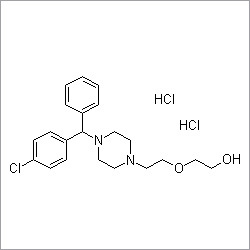
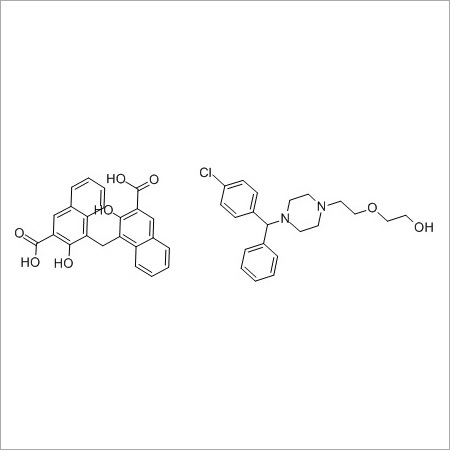
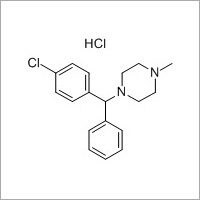
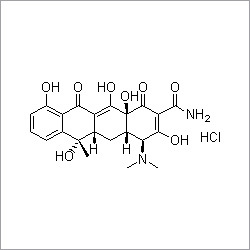
- Structural Formula
- See Image
- Storage
- Store in a cool, dry place, protected from light
- HS Code
- 29349900
- Particle Size
- Micronized powder (typically <20 microns)
- Boiling point
- Not available (decomposes)
- Shelf Life
- 2 years when properly stored
- EINECS No
- 251-846-4
- Molecular Formula
- C21H27NO3HCl
- Taste
- Bitter
- Loss on Drying
- Not more than 0.5%
- Poisonous
- Non-poisonous for intended pharmaceutical use; toxic if overdosed
- Heavy Metal (%)
- Not more than 0.001%
- Molecular Weight
- 377.91 g/mol
- Smell
- Odorless
- Solubility
- Freely soluble in water, alcohol and chloroform
- Melting Point
- 168-173C
- Medicine Name
- Propafenone Hydrochloride
- Chemical Name
- Propafenone Hydrochloride
- CAS No
- 34183-22-7
- Type
- Other
- Grade
- Other
- Usage
- Used as an antiarrhythmic agent in the treatment of cardiac arrhythmias
- Purity(%)
- 99%
- Appearance
- White or almost white crystalline powder
- Physical Form
- Solid
- Pharmacopoeia Standard
- USP/EP/BP
- Identification Methods
- IR, HPLC, Mass Spectrometry
- pH (1% solution)
- 4.0-5.5
- Packing
- Sealed containers, usually 1kg, 5kg, or as required
- Stability
- Stable under recommended storage conditions
- Residual Solvents
- Complies with ICH Q3C
- Impurity Level
- Not more than 0.1% (any individual impurity)
- Specific Optical Rotation
- -47 to -53 (c=2, methanol)
Propafenone Hydrochloride Trade Information
- Minimum Order Quantity
- 1 Kilograms
- Supply Ability
- 2000 Kilograms Per Day
- Delivery Time
- 1 Days
About Propafenone Hydrochloride
Application and Usage of Propafenone Hydrochloride
Propafenone Hydrochloride is primarily used as an antiarrhythmic agent to treat cardiac arrhythmias. Hospitals, clinics, and pharmaceutical companies rely on this compound for its targeted action in restoring normal heart rhythm. Its general use spans cardiology departments and specialized cardiac care units, while its specific use focuses on interrupting abnormal electrical signals in the heart. Professionals in cardiovascular medicine often incorporate this acclaimed substance in their therapeutic arsenal.
Export Market, Certification & FOB Exchange Value
Propafenone Hydrochloride commands premium market value as it is certified to pharmacopoeia standards (USP/EP/BP), ensuring quality and safety. Its main export markets include North America, Europe, and Southeast Asia, meeting global regulatory requirements. The product is shipped from prime FOB ports, facilitating efficient exchange and delivery. International buyers prefer this medicine for its reliability and certification, solidifying its place as a reputable export commodity in the pharmaceutical sector.
FAQs of Propafenone Hydrochloride:
Q: How is Propafenone Hydrochloride commonly used in medical settings?
A: Propafenone Hydrochloride is primarily used to treat cardiac arrhythmias by regulating abnormal heart rhythms, making it a key antiarrhythmic agent in hospitals and specialty clinics.Q: What are the certifications that ensure the quality of Propafenone Hydrochloride?
A: The compound complies with USP, EP, and BP pharmacopoeia standards, ensuring high purity, low impurity levels, and adherence to international regulatory benchmarks.Q: When should Propafenone Hydrochloride be stored and how long does it last?
A: It should be stored in a cool, dry place protected from light, and under these conditions, it maintains a shelf life of up to two years.Q: Where is Propafenone Hydrochloride most frequently exported?
A: This pharmaceutical ingredient is mainly exported to North America, Europe, and Southeast Asia due to strong demand and premium market value in those regions.Q: What are the main benefits of using Propafenone Hydrochloride for arrhythmia treatment?
A: Its main benefits include high purity, stable chemical nature, and proven clinical effectiveness in restoring regular heart rhythm, improving patient outcomes safely.Q: How is the identification of Propafenone Hydrochloride verified during the manufacturing process?
A: Identification methods such as IR, HPLC, and Mass Spectrometry are employed to verify authenticity and maintain pharmacopoeia compliance throughout production.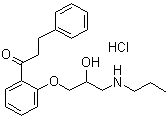

Price:
- 50
- 100
- 200
- 250
- 500
- 1000+

More Products in Pharmaceutical API Category
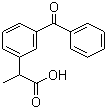
Ketoprofen API
Price 100 INR / Kilograms
Minimum Order Quantity : 1 Kilograms
Smell : Other, Odorless
Molecular Weight : 254.28 g/mol
Appearance : White to offwhite crystalline powder
Melting Point : 9297C
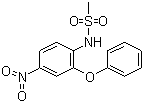
Nimesulide API
Price 100 INR / Kilograms
Minimum Order Quantity : 1 Kilograms
Smell : Other, Odorless
Molecular Weight : 308.31 g/mol
Appearance : Yellow to slightly orange crystalline powder
Melting Point : 140 146C
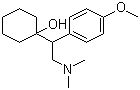
Venlafaxine hydrochloride
Price 100 INR / Kilograms
Minimum Order Quantity : 1 Kilograms
Smell : Other, Odorless
Molecular Weight : 313.87 g/mol
Appearance : White or almost white crystalline powder
Melting Point : 215216C
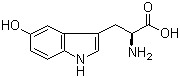
5-hydroxy tryptophan (5-HTP)
Price 100 INR / Kilograms
Minimum Order Quantity : 1 Kilograms
Smell : Other, Odorless
Molecular Weight : 220.23 g/mol
Appearance : White to offwhite powder
Melting Point : 293295C (dec.)




Contact Details
GST : 24AKEPV9396A1ZU
 Send Inquiry
|
 |
ANGLE BIO PHARMA
All Rights Reserved.(Terms of Use) Developed and Managed by Infocom Network Private Limited. |
